The Centre of Registers Data Theft — Part 2
Part two of the Centre of Registers data-theft analysis, examining stolen identity, legitimate access, and gaps in behavioural detection.
Analytical brief
Key findings
- A stolen identity can make unauthorised activity appear operationally legitimate.
- Antivirus controls are insufficient without behavioural and bulk-query monitoring.
- Assessment must correlate user, session, device, and data activity.
- Scope
- Analysis of potential access paths and the impact of a stolen employee digital identity, based on public information.
- Limitations
- Full technical incident data is not public, so some scenarios are analytical hypotheses rather than confirmed facts.
Recap from the first blog
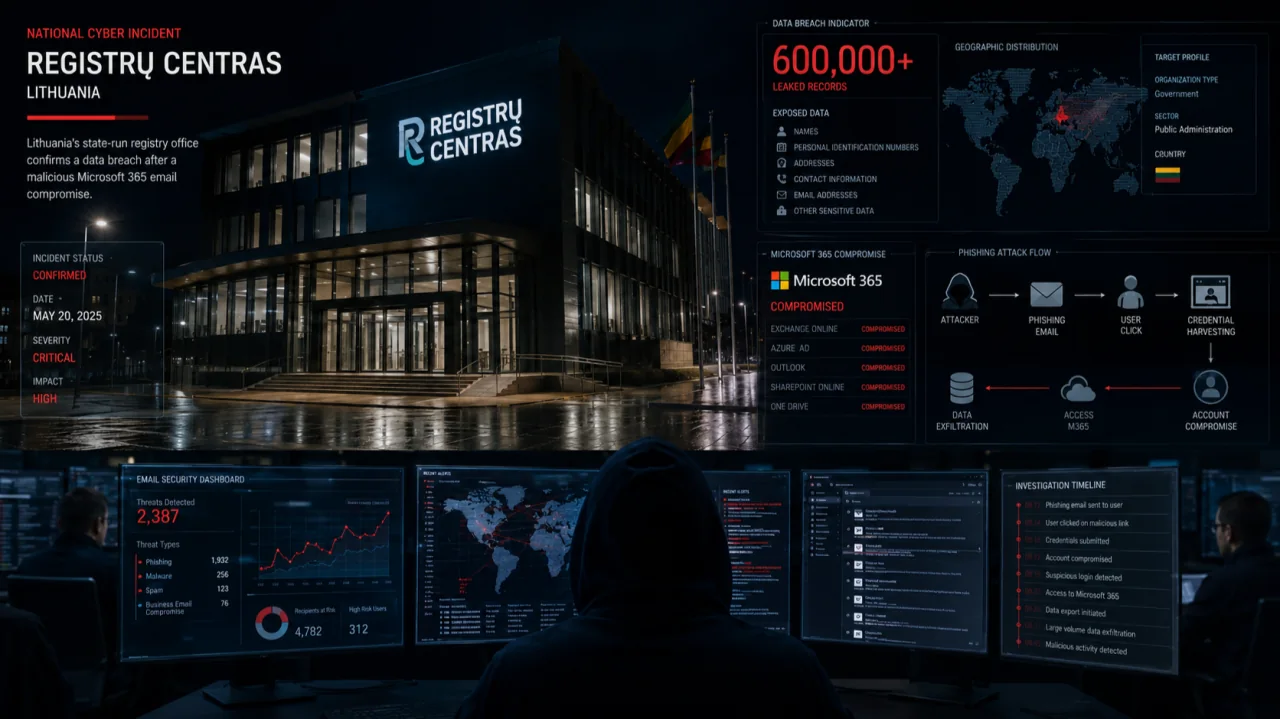
In my last blog, I wrote that the Registry Center incident should not be seen as another “data leak”. We are talking about more than 600 thousand. potentially copied records of the Register of Real Estate and Legal Entities, which can be useful not only for fraudsters, but also for intelligence context, social engineering and hybrid operations. The main point was a very simple aka modern attack often looks not like a “hacked system” but like a legitimate user doing very illegal things.
Latest known information for today
Over the last few days, several very important details have emerged, which I believe make the incident much more serious than it initially seemed (my bad.. by the way, I’m writing everything on the evening of 26/05/2026 after work, so it’s likely that the information will spread in the coming days).
It has already been publicly confirmed that hundreds of thousands The data of the registry center was stolen using the accounts of the Migration Department. The head of the Lithuanian Criminal Police Bureau, Arūnas Maskoliūnas, directly confirmed to journalists that the information about the accounts of the Migration Department is correct. (https://www.lrytas.lt/lietuvosdiena/aktualijos/2026/05/26/news/po-skandalo-registru-centre-teisesaugos-zinia-del-migracijos-departamento-42580533, https://www.15min.lt/naujiena/aktualu/skandalas-registru-centre-nelegaliai-nusiurbti-daugiau-nei-600-tukst-duomenu-55-2689370)
At this point.. a very important point emerges that the whole story does not look like much of anything social. in the media (mostly on Facebook, because there are a lot of people who understand IT security, etc.) they screamed that “the Registry Center was hacked”, and more often it goes to “someone got legal access and started to act very illegally”.
And this is where the most unpleasant part of cyber security begins, because modern attacks often (I would say too often) look very.. normal (when viewed through the prism of RC or MD), such as:
- Signing in to Outlook.
- Opening SharePoint files.
- Formation of register extracts.
- Connections through Microsoft365.
- Common HTTPs traffic..
(I make the assumption that Outlook, SharePoint, M365…)
From the SIEM side, it looks like a normal working day, with one small difference… the person using the account is not its legitimate owner.
And that’s exactly why… such operations (especially intelligence gathering) become very difficult to detect.
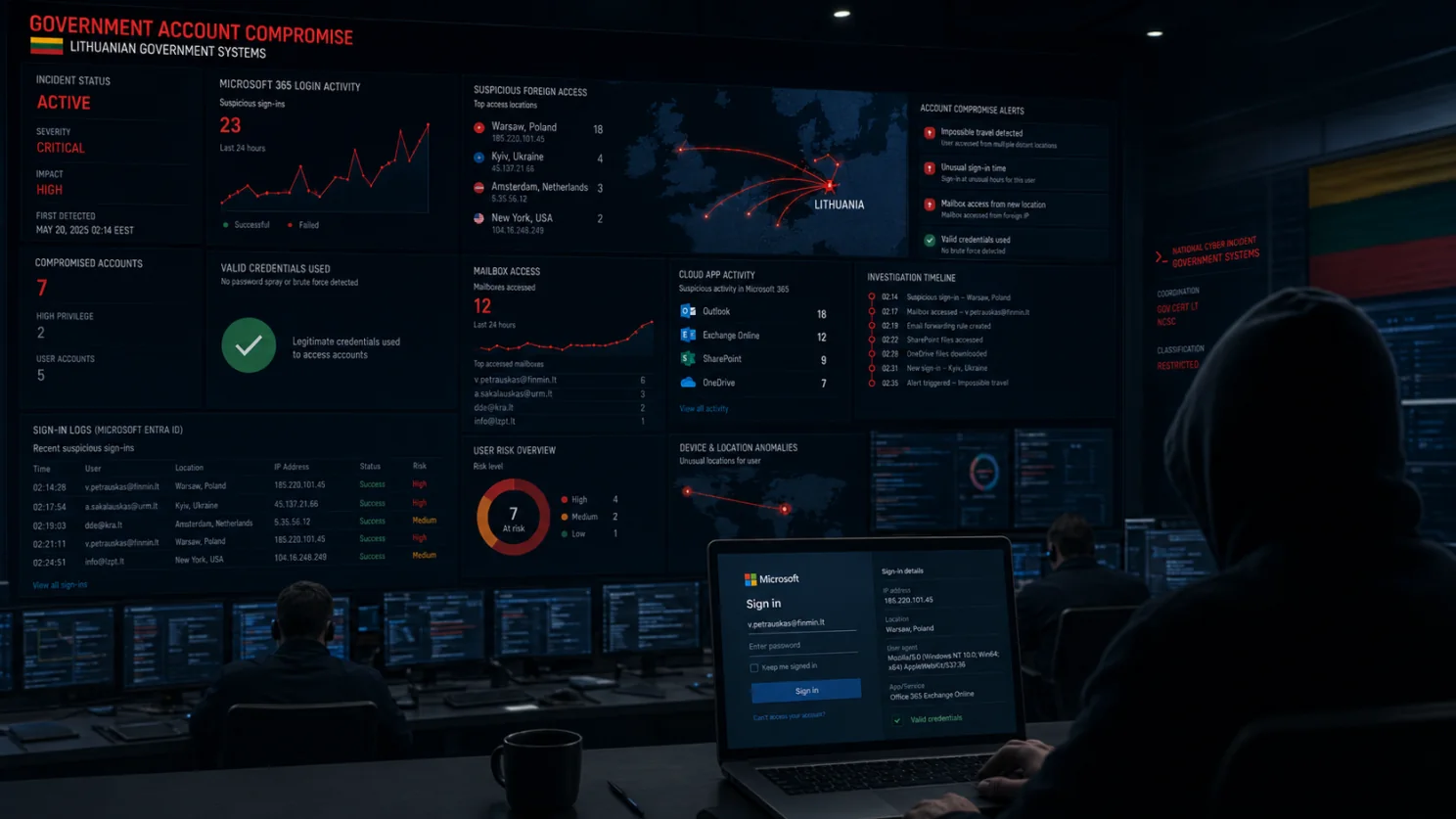
Another important detail I would say is that it is already clear that the state institutions knew about the incident much earlier than the public. The environment of the Prime Minister confirmed that the information about the data theft was known at the beginning of April, but was not made public due to the ongoing investigation. (according to everything, the investigation is still ongoing.. but anyway.. it is better to suspend the director, and not take the blame for this critical incident and silence yourself.. here I will leave this place to the journalists, I do not have enough competence to comment on these events from that side, but I hope and already doing something..)
Back to atagal.. this means that the investigation has likely been analyzing the chain of compromised accounts, the origin of the logins, the access methods used, the extent of the data collection and the possible wider infrastructure compromise for some time. (.. how I would like to get a few IOCs to at least analyze the infrastructure, but it is likely that these things will not be seen by the public.. although in reality there is no need to hide them, it will not harm the investigation).
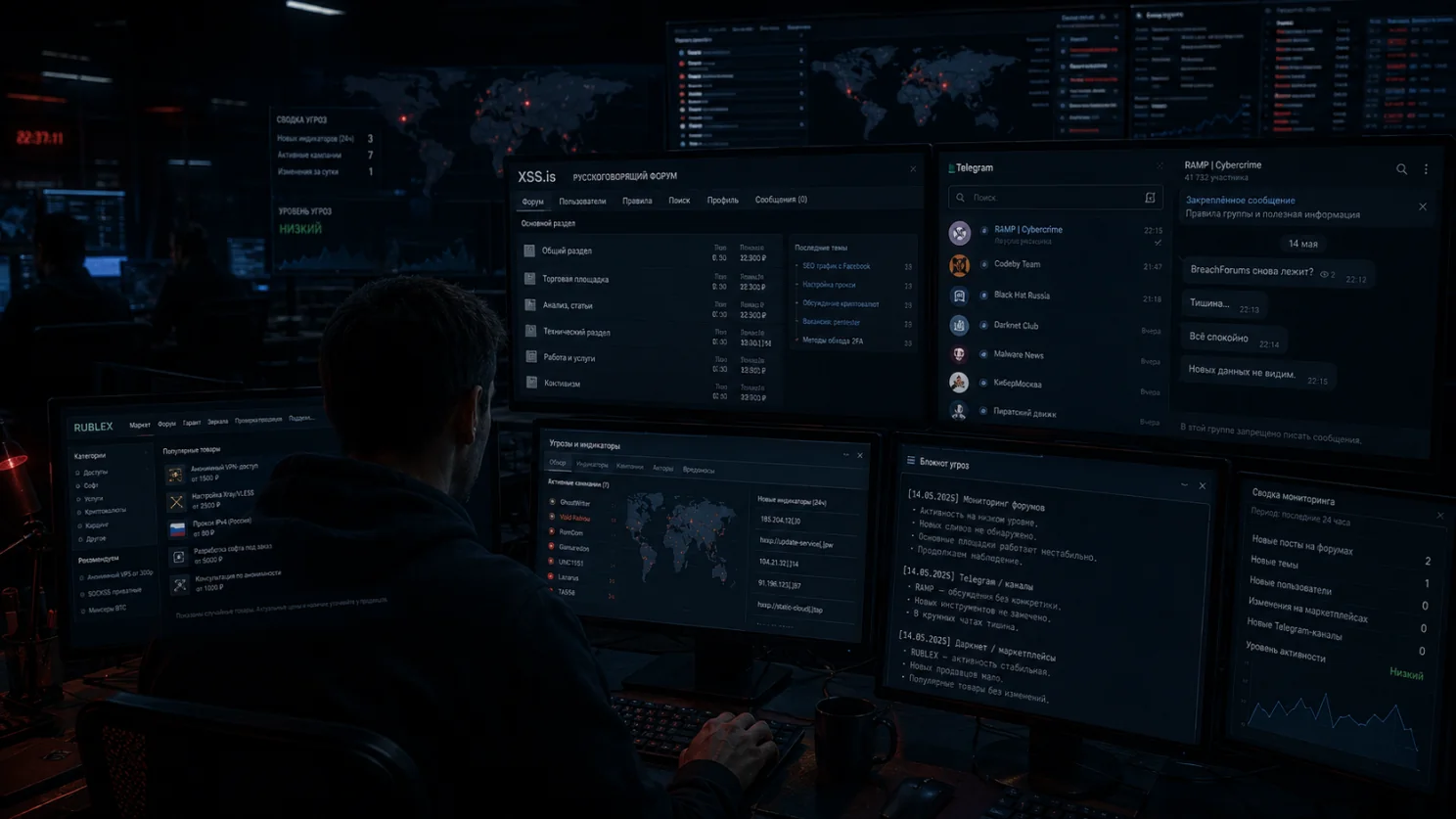
And this is where a more fun aspect of CTI appears.. When personally monitoring Russian-speaking forums, Telegram channels, dark web marketplaces (let’s call them that way) and Discord channels.. there is practically no active promotion or sale of RC data dumps, which is quite unusual.
If this was a classic “financially motivated” data theft, it is very likely, we would already see:
- “database for sale” posts.
- sample dump
- access auctions.
- attempts by initial access brokers to resell access.
- “exclusive access” offers
- and Telegram channels with “Lithuania DB leak” hype.
(of course I’m not saying that I know and follow all the forums, all Telegram, Discord channels, but I’m silent in the main ones)
Simple cybercriminals (let’s call them that, I won’t call them script kiddies or wannabeHackers, it will be easier to understand) love money very much, and love to be talked about loudly (take ShinyHunters.. oh those devils love to be talked about).
APT groups more often choose to quietly collect information, maintain access, operate for a long time, without making noise, use data later (which is already visible from public data.. that everything probably happened from January/February). This is not yet proof that a state pacification operation was already operating here, but I would say it is a very interesting indicator in that direction
Preliminary data leakage scenarios
According to the information already available (2026-05-26), one of the most realistic scenarios seems to be compromised institutions or third-party accounts (well, this has already been confirmed as a possibility).
This is no longer a Hollywood movie where a hacker sits and says “I’m in”, no need for “zero day”, no need for “super duper malware” or let alone hacking a satellite… in this case one person is enough.
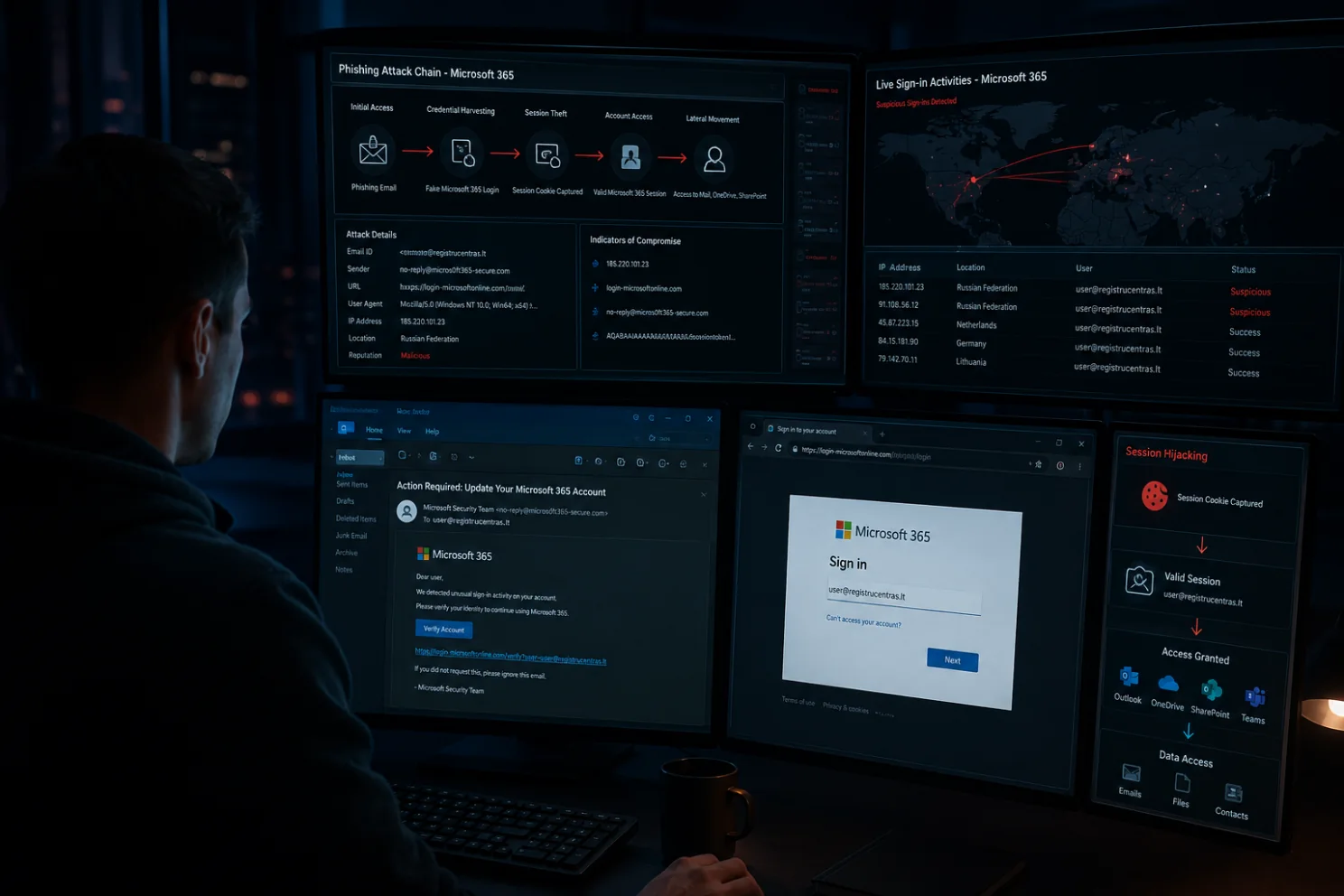
One of possible scenarios what I come up with looks like this (well, it’s more classic here) that the employee receives phishing a letter (in the state legislatures, I wonder who conducts phishing training… or not, knowing about the Seimas, it’s definitely not the case). The letter most likely looks like this:
- Microsoft.
- VPN.
- Institution system.
- Team invitation.
- A SharePoint document.
- “security update”.
Well, the person is uneducated, clicks on the link -> brings up logins -> maybe approves MFA/2FA (or some other devil) -> transfers data.
Maybe there is such a thing.. I would say for organizations.. and the understanding that having an MFA does not mean that “we are safe”
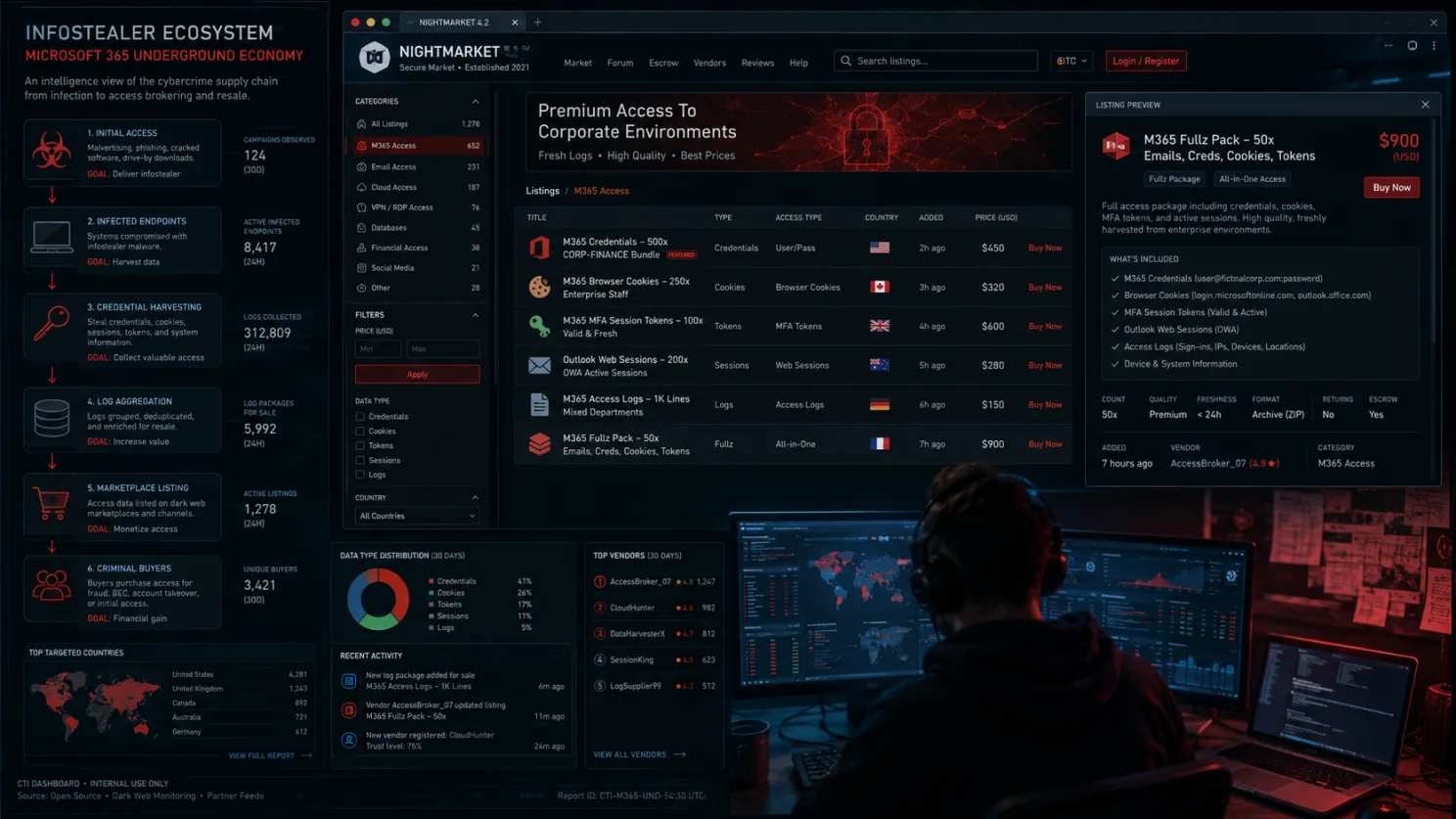
Another scenario is infostealers. Here is a slightly more serious problem, because they are one of the most important parts of the ecosystem, let’s call it “underground”. (I won’t say too much here, but I checked how many possible state institutions have leaked login data, hijacked sessions… that’s a lot).
About infostealers, in short, they steal:
- Passwords.
- Browser cookies.
- VPN credentials.
- M365 tokens.
- Active session.
- Authentication artifacts.
Well, then the attacker (or the one who buys) does not get the “hacking” itself, but the entire “digital identity” of the employee, what does that mean?
- Outlook looks legit.
- SharePoint looks legit.
- OneDrive looks legit.
- Teams looks legit.
What the system sees… it’s “login successful”, but it doesn’t understand who logged in… whether it’s Zose from finance or Sasha from Moscow.
Sometimes the worst attack looks like a normal employee, unless Zoe is a very exemplary employee and gets up at 3 am. at night to look at hundreds of thousands of register statements (because it’s a lot of work), or Zose wants to become the MVP of the quarter.
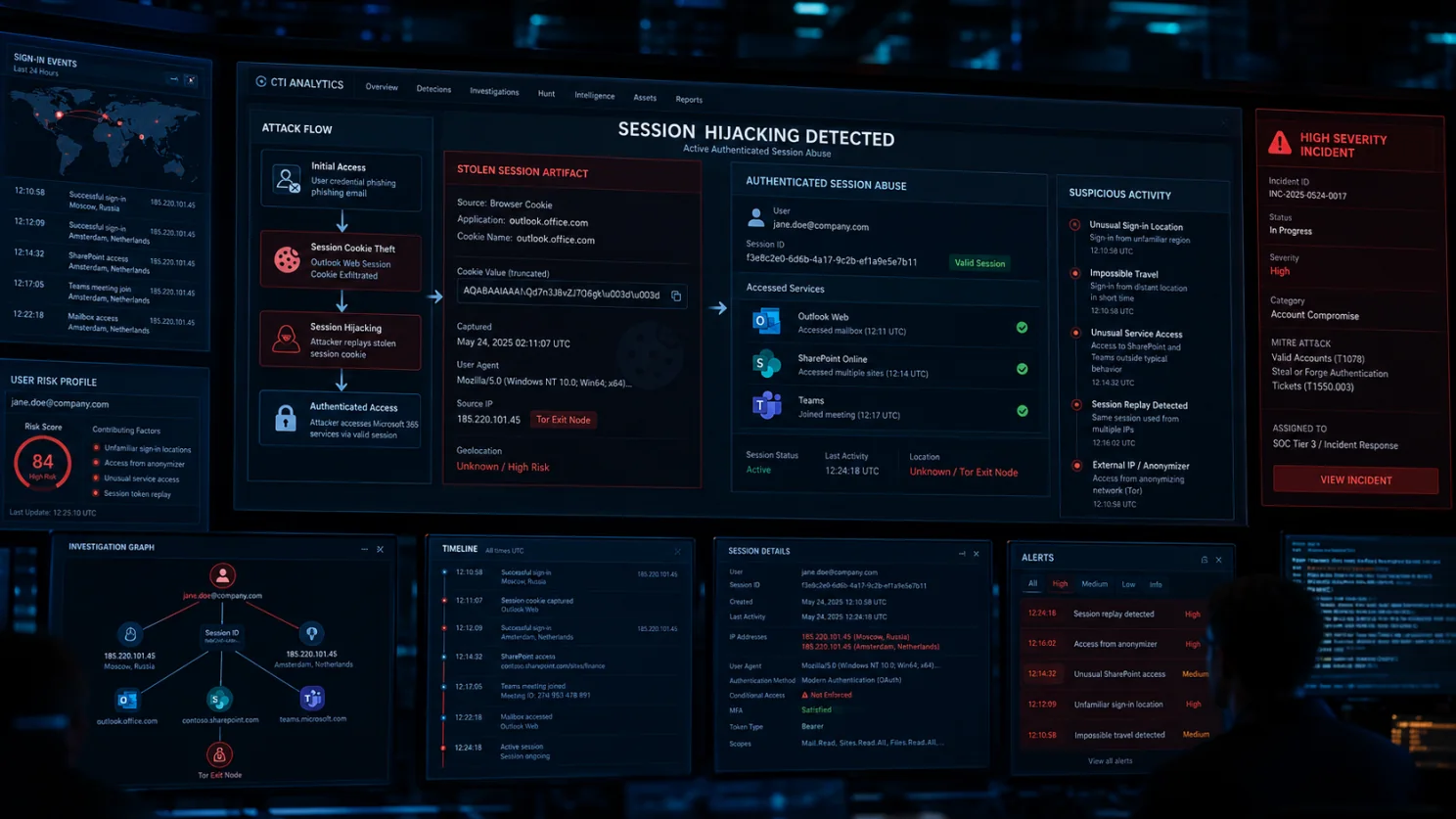
Another more interesting scenario is this session hijacking.
Here already MFA/2FA and other moose do not help.
If hackers steal:
- session cookies.
- OAuth tokens.
- Active M365 sessions.
In most cases, he can use the system as a legitimate user, i.e. no password, no additional login prompt, no “I’m in” movie moment.
After looking at the M365 environment and getting access to Outlook or SharePoint, you can:
- Read the letters.
- Collect documents.
- Monitor communication.
- Apparently contacts.
- Search for login instructions.
- Search for links to systems.
- And using the trust of the organization against itself.
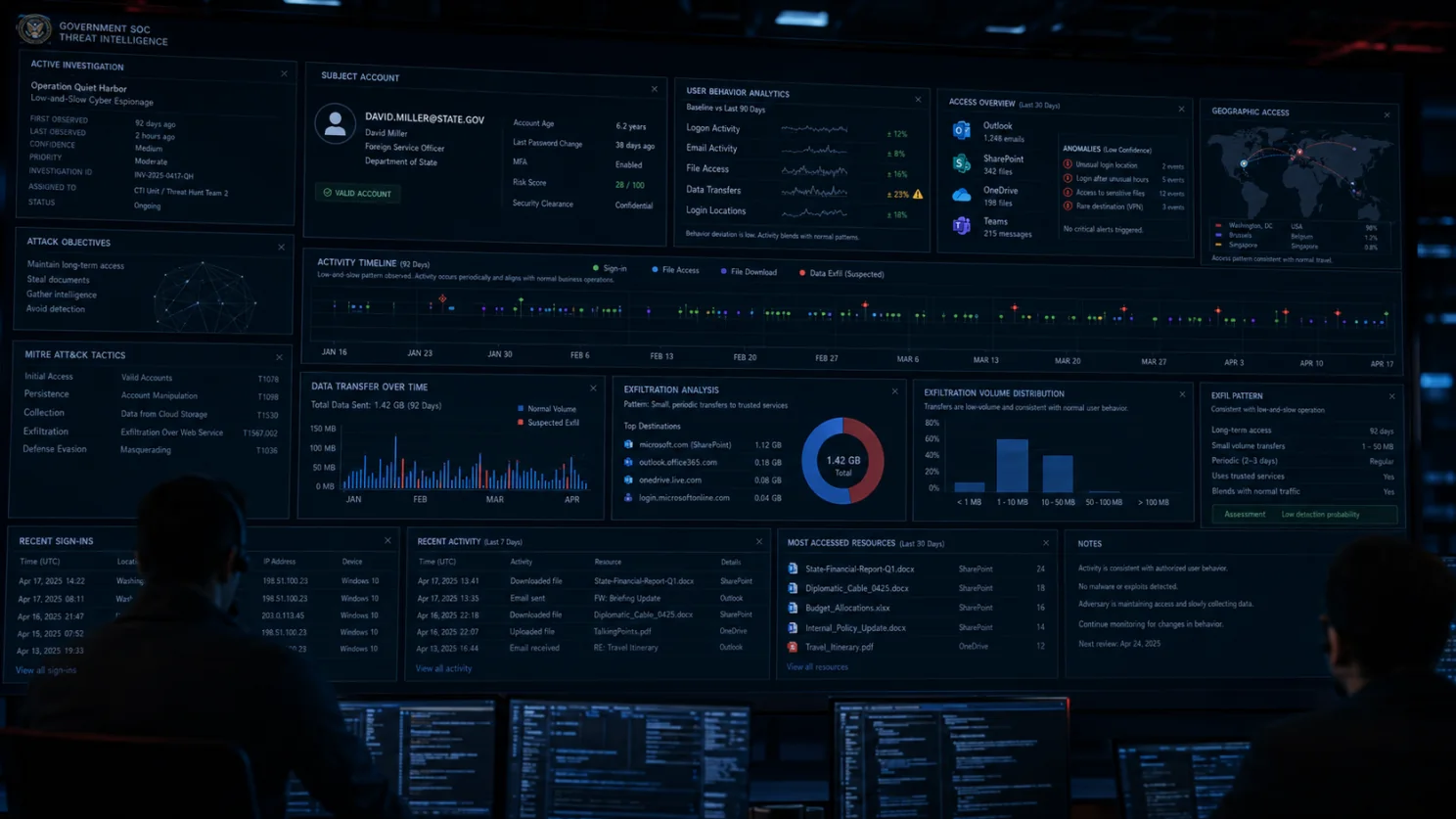
Next, the “low and slow” scenario is very important.
If data was pulled:
- In small quantities.
- Gradually.
- During normal business hours.
- Using legitimate accounts.
- From conventional systems.
all activity already looks like normal activity, then the problem becomes not “was there an antivirus?” (I stole this from Facebook comments), and whether the user behavior was monitored, whether anomalies were visible, whether the mass creation of registry extracts was visible, whether Outlook / Sharepoint activations were monitored, whether the system realized that the account started to behave like a “data pump”.
Preliminary TTPs based on latest information
| Initial Access | T1566 - Phishing | Fake Microsoft / Institutional login links are available. |
| Initial Access | T1078 - Valid Accounts | Legitimate accounts compromised. |
| Credential Access | T1555 - Credentials from Password Stores | Infostealers could steal browser credentials and tokens. |
| Credential Access | T1539 - Steal Web Session Cookie | Hijacking of Microsoft 365 sessions is possible. |
| Defense Evasion | T1550 – Use Alternate Authentication Material | Use of tokens, cookies and active sessions. |
| Collection | T1114 - Email Collection | Collecting Outlook / Exchange mail. |
| Collection | T1213 – Data from Information Repositories | Collection of data from SharePoint, registries and other repositories. |
| Persistence | T1098 - Account Manipulation | OAuth apps, mail forwarding, additional sessions, delegations. |
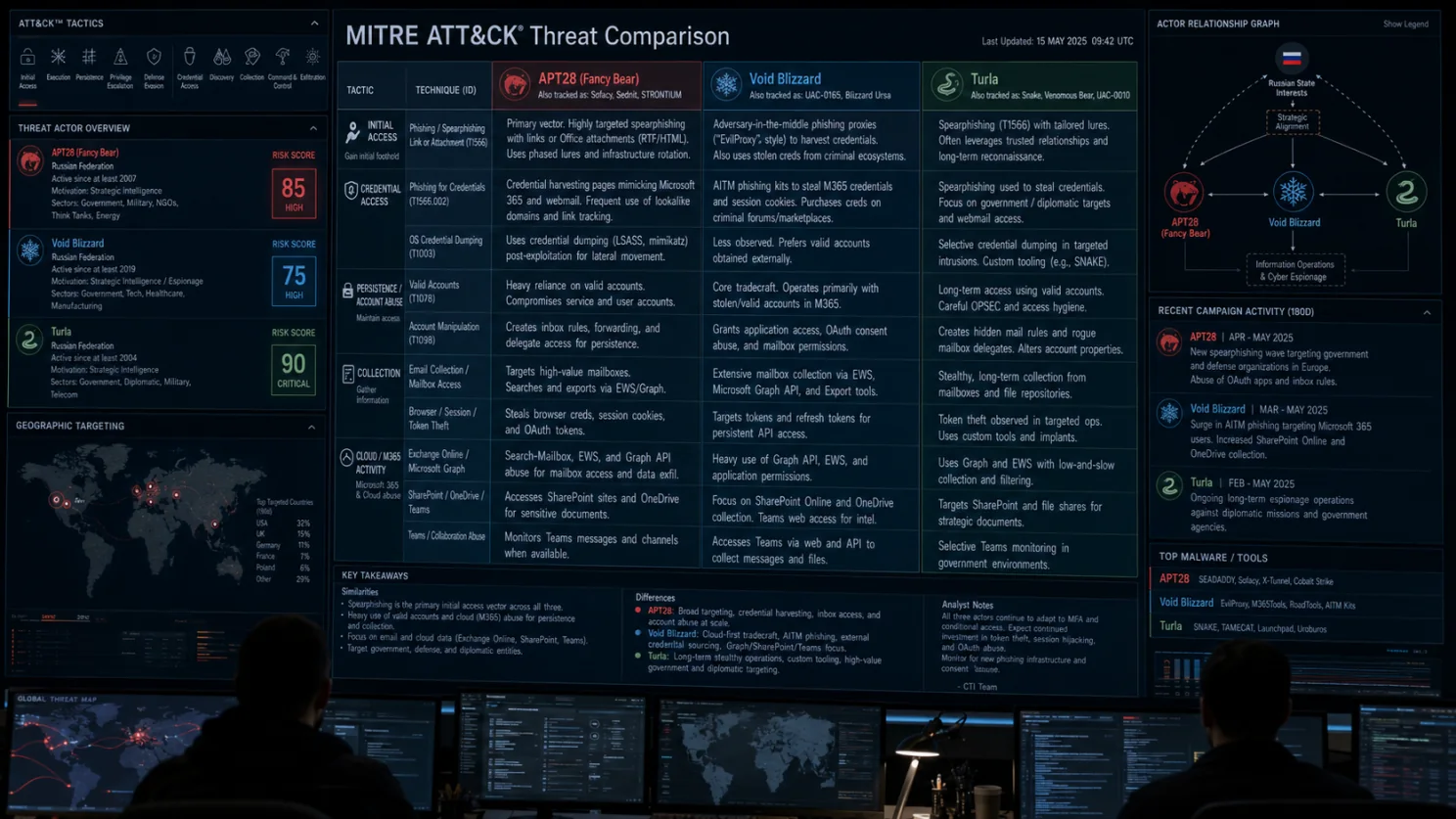
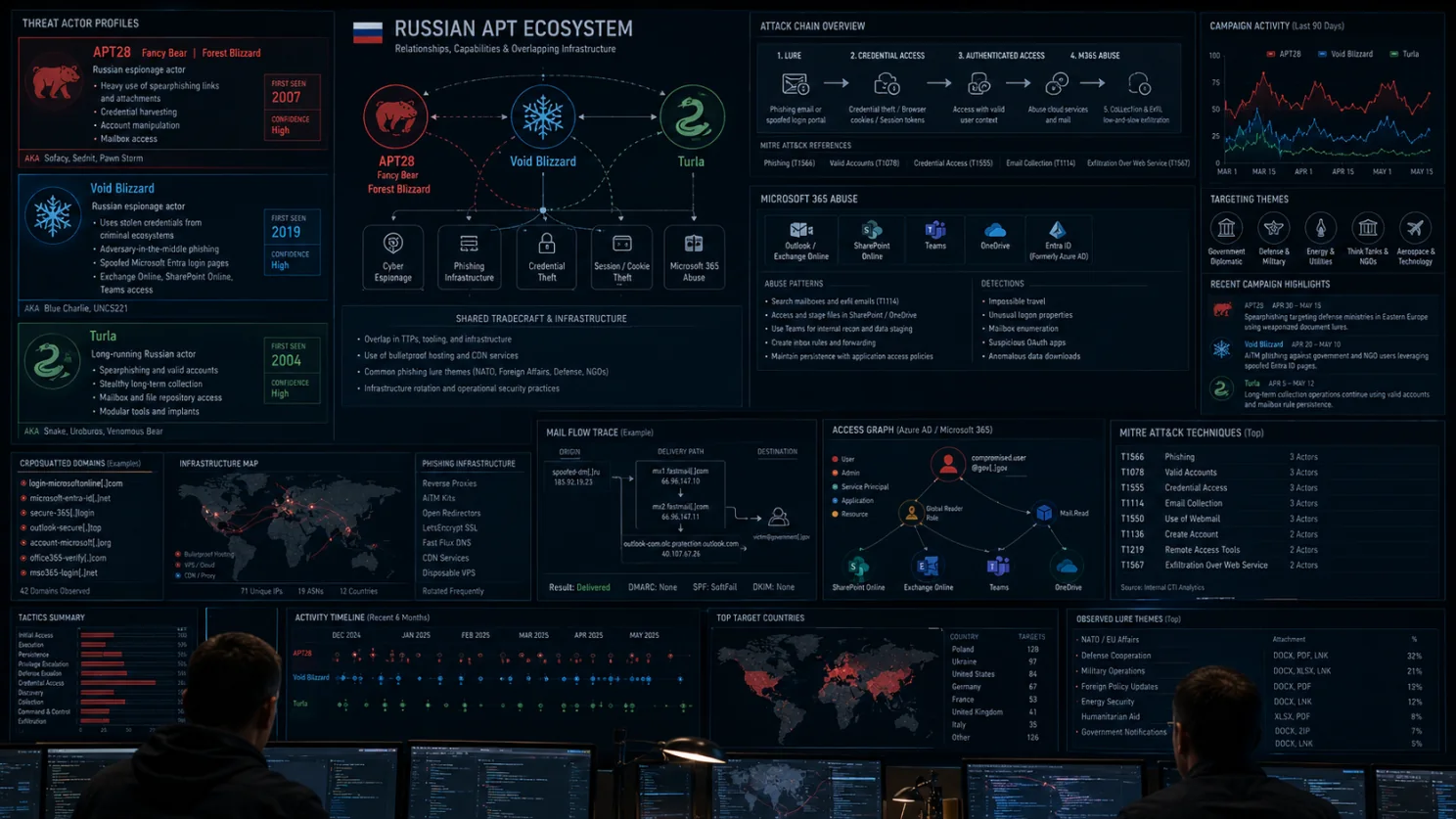
Interweaving of Russian factions in the TTP
Well, here comes a more interesting moment.
The scenarios overlap very strongly with what Microsoft, CISA, etc. publicly describe about Russia-linked groups.
To reiterate, Microsoft has publicly described that Void Blizzard / Laundry Bear actively used stolen logins from infostealer ecosystems and collected large volumes of emails. letters and files from organizations in Europe and North America.
APT28 / Fancy Bear campaigns used:
- Spearphishing.
- Password spraying.
- Exchange mailbox permissions.
- EWS / IMAP data collection.
- Use of legitimate accounts.
Secret Blizzard / Turla scripts show:
- AITM phishing.
- Session hijacking.
- Token collection.
- Long-term silently supported accesses.
I think the most important thing here is to mention that the coincidence of TTP is not an attribution (without a larger context, infrastructure, all information research… you won’t make much attribution, but there are possible scenarios…).
But when:
- We are seeing possible compromised accounts.
- Access through institutional systems.
- Microsoft 365 / Outlook logic.
- Silent behavior in cybercrime forums.
- and no active dump sales.
The APT or intelligence scenario is starting to look a lot more realistic than the classic “let’s sell DB quickly” story.
Follow the research
New research without tracking technology
Subscribe to the language-specific RSS feed or follow Deividas on LinkedIn. HECAVEX uses no advertising trackers or marketing pixels.